
Garbage Disposal Repair & Installation · Ashburn, VA
Garbage Disposal Repair and Installation in Ashburn, VA
A disposal that hums without turning, trips the breaker, or drips onto the cabinet floor is usually fixable. Which of those three it is decides whether this is a ten minute job or a replacement.
The sound it makes when you switch it on is the most useful thing you can tell us on the phone.
Reading a disposal's sound before taking anything apart
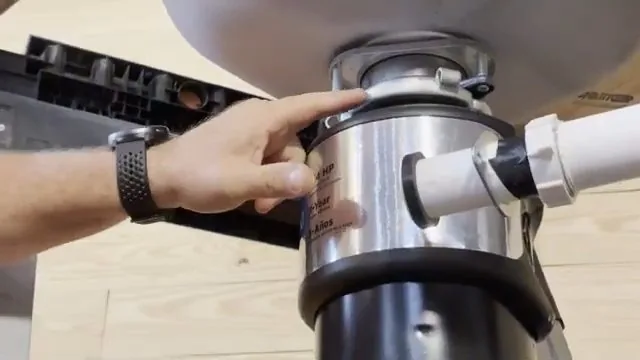
A disposal gives you a fairly reliable signal. There are three states and they point in different directions.
Three sounds and what each one means
- Humming but not turning: the impeller plate is jammed. The motor is alive and trying. This is the most recoverable state and often the quickest fix on the list.
- Completely silent: either no power is reaching it, or the internal overload has tripped, or the motor has failed. The reset button on the underside is worth pressing before anything else.
- Turning freely but water stays in the sink: the unit is working and the drain line past it is blocked. That is a drain problem, not a disposal problem.
That last case is worth separating out, because replacing a working disposal will not fix a blocked branch line, which is blocked drain clearing work instead, and people do occasionally end up paying for the wrong repair.
Finding where the water under the sink is coming from
A wet cabinet floor is the second most common disposal call and the one most often misdiagnosed, because several fittings sit directly above the same spot and all of them drip downward.
The sink flange at the top, the dishwasher inlet on the side, the discharge tube at the outlet, and the body of the unit itself are four different failures with four different answers.
| Where it drips from | What it usually is | Repair or replace |
|---|---|---|
| Top rim, around the sink opening | Failed plumber's putty or a loose mounting ring | Repair: reseal and retighten |
| Side, near a small hose | Dishwasher inlet connection or a perished hose | Repair: replace the connection |
| Outlet, where the pipe leaves the unit | Discharge gasket or bolts | Repair: new gasket |
| The body of the unit itself | The shell has corroded through | Replace: a cracked body cannot be sealed |
The first three are repairs. If the water turns out not to be coming from the disposal at all, that becomes hidden leak detection work. The fourth is not a repair, and anyone offering to seal a corroded housing is postponing the replacement, not avoiding it.
Repair, or put a new unit in
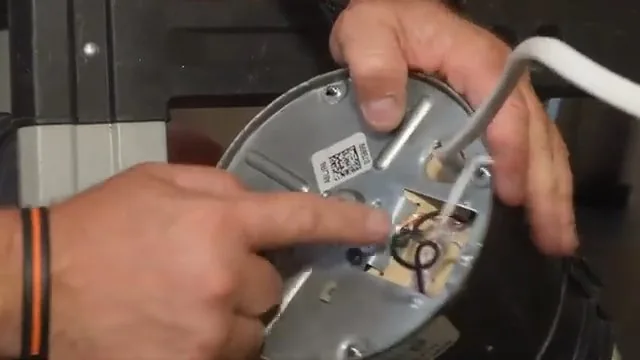
The honest line sits around the cost of the replacement. A jam, a flange reseal or a discharge gasket is worth doing on almost any unit. A failed motor on an older low-horsepower unit usually is not.
Replacement runs roughly $225 to $550 installed. What moves it inside that range is the motor rating you choose, whether the electrical outlet under the sink is accessible, and what sink flange type the new unit needs.
If the existing unit is a third-horsepower builder-grade model and the motor has gone, stepping up at replacement is usually the better value, because the common failure is asking a small motor to do more than it was built for.
Putting a new disposal in properly
Installation is straightforward when the three connection points are right, and a nuisance afterwards when they are not.
What a correct install involves
- A clean sink flange seated in fresh putty, with the old material fully removed rather than layered over
- The mounting assembly tightened evenly so the unit hangs square
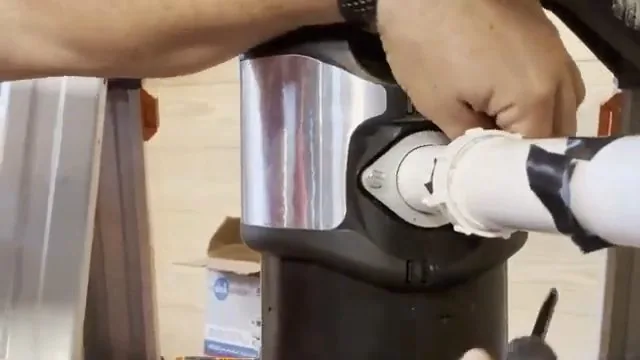
- The dishwasher inlet knockout removed if a dishwasher is connected, which is the single most common miss and causes an immediate backup
- The discharge aligned to the existing trap arm without strain on the joint
- A dedicated, accessible shutoff and a tested electrical connection
That knockout plug is worth naming because it accounts for a surprising share of callbacks. A new disposal ships with it in place, and if it is left there the dishwasher has nowhere to drain.
What shortens a disposal in an Ashburn kitchen
Disposals handle scraps, not waste disposal in general. Most of the units we replace early were asked to do something they were never designed for.
What should not go down one
- Grease and cooking oil, which cool and set on the pipe wall past the unit
- Coffee grounds, which pack into a dense sludge rather than breaking up
- Fibrous vegetable waste such as celery, artichoke and corn husks, which wrap the impeller
- Starchy waste in quantity, particularly pasta and rice, which swell
- Bones and fruit stones, which the impeller is not meant to break
- Eggshells in volume, where the membrane is the actual problem
Cold water while running, and for a few seconds afterwards, does more for a disposal's life than anything else on this list.
Disposal questions worth asking first
The disposal hums but will not turn. Can it be saved?
Usually yes. A hum means the motor is receiving power and trying to turn, and the impeller plate is jammed. That is the most recoverable state a disposal can be in.
The jam is cleared from underneath with the correct hex key, or from inside the chamber once power is isolated at the breaker. After clearing, the overload reset button on the underside usually needs pressing before it will run again.
A completely silent unit is a different situation and more often points to a failed motor or a power problem.
Water is dripping under the sink. Is it the disposal or the plumbing?
It depends which point it is coming from, and four different fittings sit above the same patch of cabinet floor.
A drip from the top rim is usually failed putty or a loose mounting ring at the sink flange. A drip near a small hose on the side is the dishwasher inlet. A drip at the outlet is the discharge gasket. All three are repairs.
Water coming through the body of the unit itself is different. The shell has corroded through and it cannot be sealed. That one is a replacement, and anyone offering to seal it is selling you a delay.
What should never go down a disposal?
Grease and cooking oil, because they cool and set on the pipe wall past the unit. Coffee grounds, which pack into a dense sludge instead of breaking up. Fibrous vegetable waste such as celery, artichoke and corn husks, which wrap the impeller.
Also starchy waste in quantity, particularly pasta and rice, which swell after they pass through; bones and fruit stones, which the impeller is not built to break; and eggshells in volume, where the membrane is the real problem rather than the shell.
Running cold water while the unit works and for a few seconds afterwards does more for its working life than anything else.
What changes the price on a disposal replacement?
Replacement runs roughly $225 to $550 installed. Three things move it within that range: the motor horsepower you choose, whether the electrical outlet under the sink is accessible, and what sink flange type the new unit needs.
If the failed unit is a builder-grade third-horsepower model, stepping up at replacement is usually better value, because the common failure is a small motor being asked to do more than it was designed for.
Does a disposal swap need a licensed plumber or an electrician?
For a like-for-like replacement into an existing, working outlet it is plumbing work: the flange, the mounting, the discharge and the dishwasher connection are all plumbing connections.
It becomes electrical work when there is no outlet under the sink, when the existing circuit is not suitable, or when the unit is hard-wired and the connection needs altering. Those are separate trades and should be treated that way.
Either way the contractor needs licensing on two levels, one from the state trade board and one from the county, and both can be confirmed before anyone opens a cabinet.
Disposal jammed or leaking?
Tell us what it does when you flip the switch and whether anything is wet underneath. That usually narrows it to one of three things before we arrive.