
Toilet Repair & Installation · Ashburn, VA
Toilet Repair and Installation in Ashburn, VA
A toilet that refills by itself every twenty minutes is leaking. The water is going from the tank into the bowl and down the drain, quietly, all day.
It is usually one of three parts, all of them inexpensive, and it is the repair most often left alone the longest because nothing visibly goes wrong.
A toilet that refills on its own is leaking the whole time
The phantom refill is the giveaway. The tank is losing water into the bowl, the fill valve notices the level dropping, and it tops the tank back up. Nothing overflows and nothing is visibly wrong, so it runs for months.
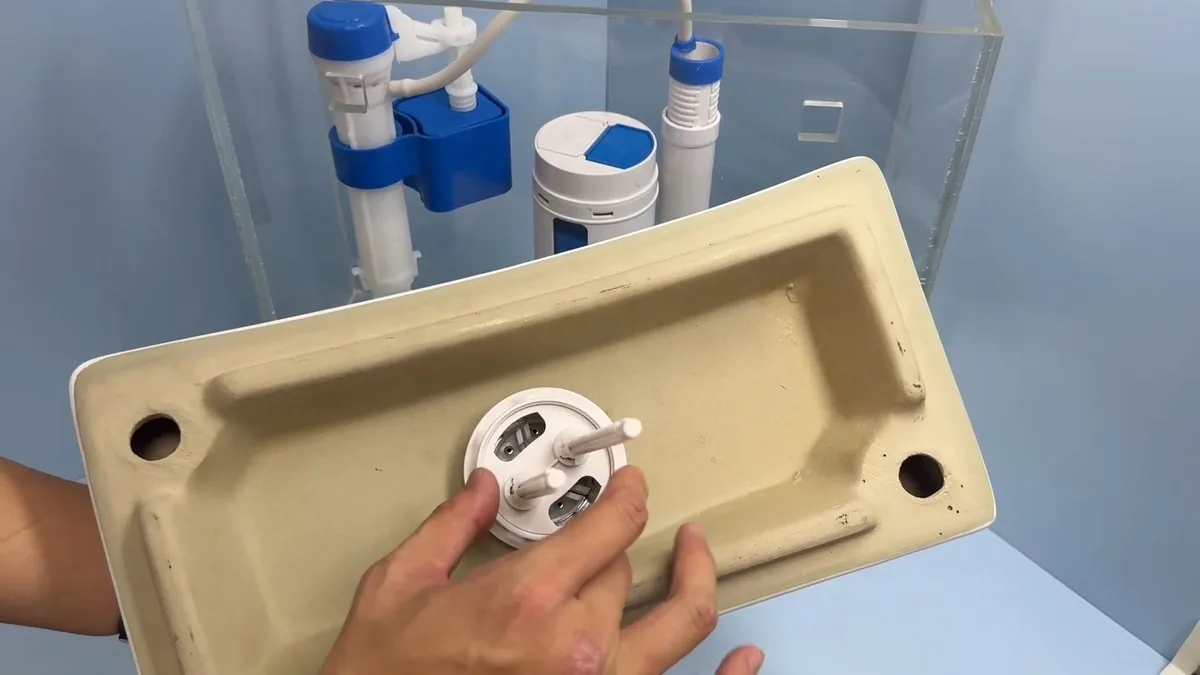
There is a simple test. Put a few drops of food coloring in the tank, leave it half an hour without flushing, and look in the bowl. Color in the bowl means the flapper or flush valve seat is passing water.
The repair is a flapper, a flush valve seal, or a fill valve, depending on which part has gone. None of them are expensive parts. The water a silent leak gets through over several months usually is.
The parts in the tank, and which ones go first
Almost every tank holds the same four components, and they fail in a fairly predictable order.
| Part | What it does | Symptom when it fails |
|---|---|---|
| Flapper or flush valve seal | Holds water in the tank between flushes | Phantom refills, weak flush |
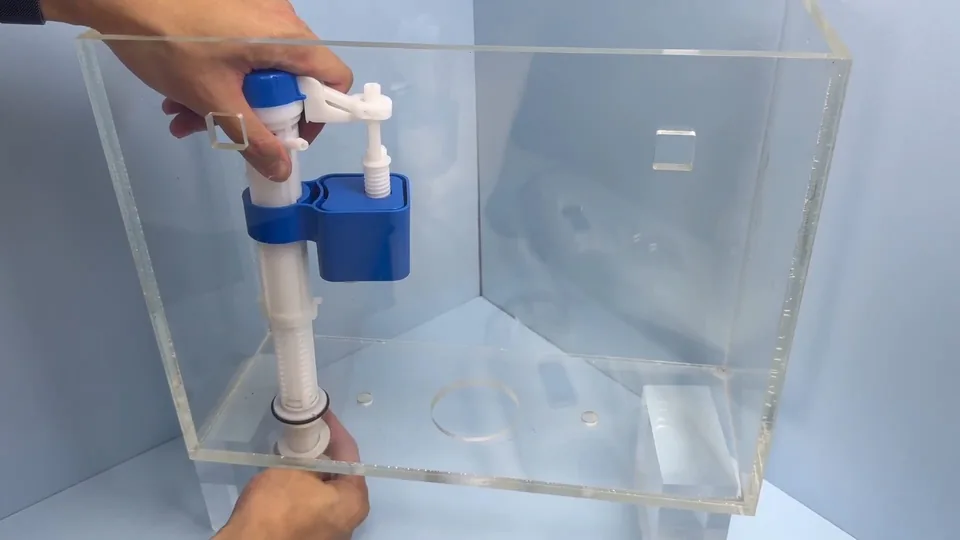
| Fill valve | Refills the tank and shuts off at level | Runs continuously, or whistles, or will not fill |
| Float or float cup | Tells the fill valve when to stop | Overfills into the overflow tube, or underfills |
| Flush lever and chain | Lifts the flapper | Handle needs holding down, or the chain binds |
Chain length is worth a mention on its own. Too long and the flapper does not seat, which reads exactly like a failed flapper. Too short and it holds the flapper slightly open. It is the least expensive fix in the bathroom and it is regularly missed.
Hard water plays a part here too. With Loudoun Water publishing a range of 4.9 to 9.9 grains per gallon, scale builds on the flush valve seat and on fill valve components over time, which is why these parts do not last indefinitely even when nothing is misused.
A toilet that clogs every few weeks is telling you something
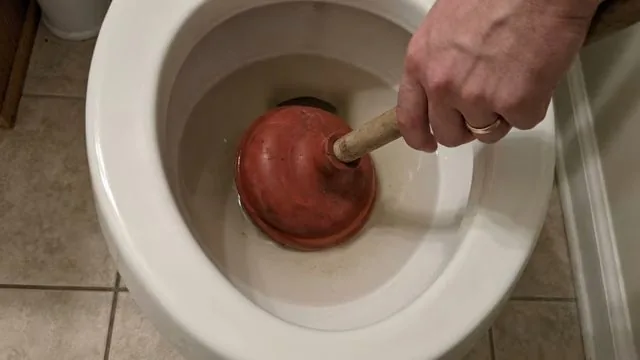
An occasional blockage is normal. A toilet that needs a plunger on a regular cycle is not, and the cause is usually not the toilet.
What repeat clogging usually points to
- A partially blocked branch line past the toilet, so the bowl clears but the waste does not travel
- A low-flow fixture of a certain age paired with a long horizontal run, where there is not enough water behind the waste
- An object lodged in the trapway, often a cleaning tablet holder or a child's item, that catches paper every time
- A vent problem, where the drain cannot draw air and the flush is weak and slow rather than blocked
The last one is worth knowing about because it feels like a clog and is not. If several fixtures gurgle when the toilet is flushed, the venting is the thing to look at.
Where the bowl itself is sound, clearing the branch is the fix, and that is ordinary drain snaking work. Where something is lodged in the trapway, the toilet usually needs to come up to get it out, which is a short job but not a plunger job.
Replacing a toilet, and moving one
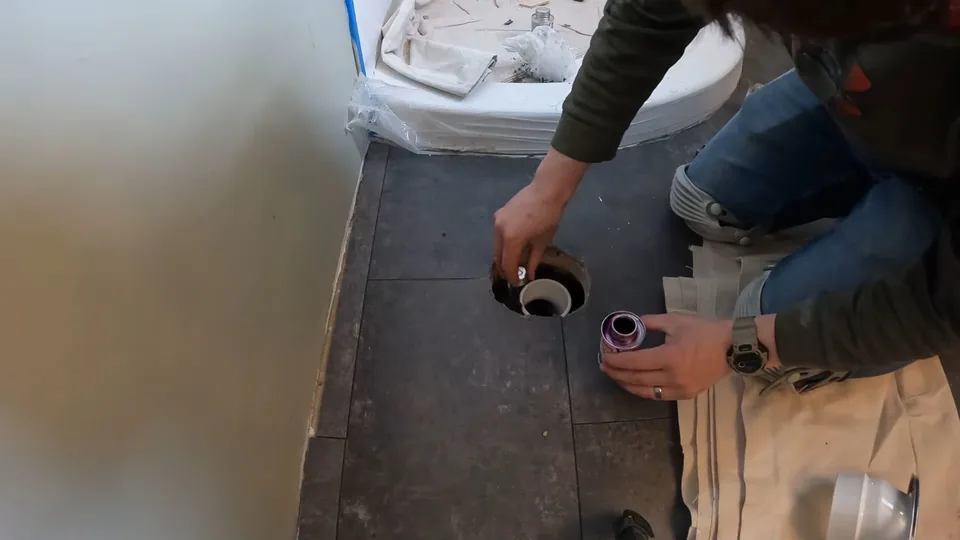
Replacement is mostly about what is under the fixture rather than the fixture itself. The flange and the floor decide how straightforward the job is.
What we check before fitting a new toilet
- The closet flange: whether it sits at the right height relative to the finished floor, and whether it is cracked
- The floor around the flange, for softness that suggests a long-term wax ring failure
- The rough-in measurement from the wall to the flange bolts, which determines what will fit
- The supply stop, which is often the oldest component present and worth replacing at the same time
Relocating a toilet is a bigger piece of work than it looks, because the drain and the vent both have to move with it, and both need the right fall. On a slab or over a finished ceiling that is a real job rather than a fixture swap, and it is worth knowing that before the bathroom is planned around it.
What we check on a general toilet call
When the complaint is vague, which it often is, there is a short sequence that covers most of what goes wrong.
The standard check
- Water at the base, which points to the wax ring rather than the tank
- Movement in the bowl when you lean on it, which loosens a seal over time
- Tank to bowl bolts and gasket, a slow leak that runs down the back
- The supply line and stop, for weeping at the connection
- Flush performance with the tank lid off, which shows the whole cycle
- Water level against the marked line inside the tank
Water at the base is the one to call about sooner rather than later, because it is reaching the subfloor rather than the tile. If the staining is wider than the fixture, we check for a concealed supply leak with thermal leak detection equipment before pulling anything up.
Toilet repair costs in Ashburn
Toilet work is not on our published range table, because the spread between a flapper and a relocation is too wide for a single range to mean anything.
What we can tell you is how it is structured. A tank component repair is the low end and usually a single short visit. A full fixture replacement sits above that. A relocation is a project rather than a repair.
You get the range for your specific job before work starts, and the cost page carries the published ranges for every service where a meaningful one exists.
Toilet questions we hear in Ashburn
Why does my toilet periodically run on its own without being flushed?
Because water is escaping from the tank into the bowl, the level drops, and the fill valve tops it back up. Nothing overflows, so it can go on for months without anyone noticing anything except the sound.
You can confirm it in half an hour. Put a few drops of food coloring in the tank, do not flush, and check the bowl later. Color in the bowl means the flapper or the flush valve seat is passing water.
The part itself is inexpensive. The water a silent leak gets through over a few months generally is not.
The toilet clogs again every few weeks. Is something else wrong?
Almost always, yes, and usually not the toilet itself. Repeat clogging points to a partially blocked branch line past the fixture, an object lodged in the trapway that catches paper each time, or a venting problem.
The venting case is worth knowing about because it feels exactly like a clog. If other fixtures gurgle when the toilet is flushed, the drain cannot draw air properly and the flush is weak rather than blocked.
Where something is lodged in the trapway, the toilet normally has to come up to retrieve it. That is a short job, but it is not a plunger job.
Can a toilet be moved to a different spot in the bathroom?
Yes, but it is a bigger piece of work than it looks, because the drain and the vent both have to move with it and both need the correct fall.
In a basement slab or above a finished ceiling, that means opening the floor or the ceiling below. It is a project rather than a fixture swap, and it costs far less to decide before a bathroom is designed around the new position than after.
If the move is only a few inches, an offset flange sometimes solves it without opening anything. That is worth checking first.
Which toilet parts are worth repairing and which mean a new fixture?
Everything inside the tank is worth repairing: flapper, flush valve seal, fill valve, float and flush lever are all inexpensive parts with a predictable service life. Hard water shortens that life, and Loudoun Water publishes a range of 4.9 to 9.9 grains per gallon, so scale on the valve seat is a normal finding here.
What points to replacement is damage to the china itself, a hairline crack in the tank or bowl, a trapway you cannot clear, or a fixture that has been rocking long enough to damage the flange and the subfloor beneath it.
Water appearing at the base is the one to act on quickly, because it is reaching the subfloor rather than sitting on the tile.
What does a toilet repair visit usually involve pricing-wise?
We do not list a figure for this one. The distance between swapping a flapper and moving a fixture to another wall is too wide for any range to mean much.
The structure is straightforward. A tank component repair is the low end and normally one short visit. A full fixture replacement sits above that. A relocation is a project and is quoted as one.
You get the range for your specific job before work begins. The cost page carries published ranges for every service where a meaningful one exists.
Is a toilet install something a licensed plumber should do?
It is worth it, because the parts that matter are the ones you cannot see once the fixture is down. The closet flange height relative to the finished floor, the condition of the flange itself, and the state of the subfloor around it all determine whether the installation holds.
A fixture set on a damaged or incorrectly heighted flange will seal for a while and then leak slowly into the floor, which is a far more expensive problem than the original installation.
Contractors in Loudoun County need a Virginia State Contractors License and a county business license, and you can verify both through the state's public lookup.
Toilet running, leaking or clogging?
Most toilet calls are resolved in a single visit. Say whether it is refilling on its own, backing up, or wet at the base, and we can bring the right parts first time.