
Drain Cleaning & Clog Removal · Ashburn, VA
Drain Cleaning and Clog Removal in Ashburn, VA
A drain that clears and then blocks again three weeks later is not the same problem as a one-off clog. It is the sign that whatever caused the first blockage is still sitting in the line.
We clear the blockage, then look at why it formed, so the next call is not a repeat of this one.
The clog that comes back is a different problem
One slow sink after a big cooking weekend is ordinary. A line that backs up, clears, and backs up again on a cycle is telling you the blockage was never fully removed, or that the pipe itself has changed shape.
The difference matters because the fix is different. A full clearing removes the obstruction along the whole run rather than punching a hole through it. Punching a hole buys you a few weeks.
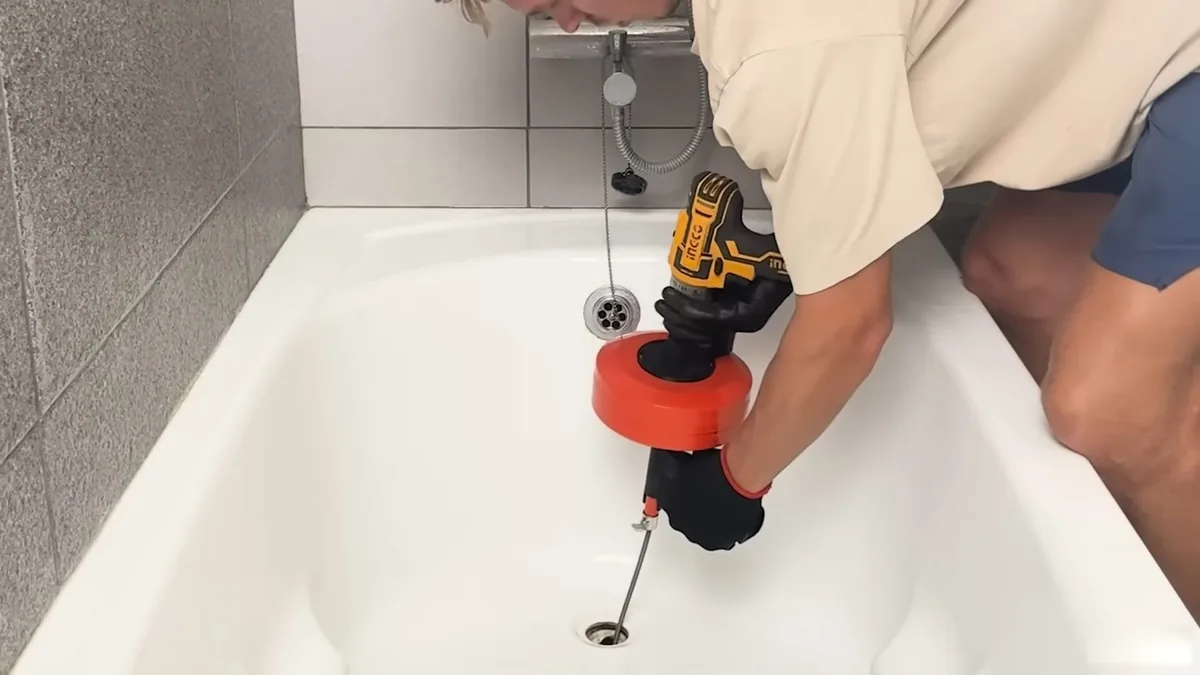
The first question on the call is how many fixtures are affected. One fixture points to the branch serving it. Two or more on the same level, or a toilet and a tub together, points further down the system.
Clearing an interior line without making a mess of it
Most residential calls are interior branch lines: a kitchen sink, a bathroom lavatory, a tub or shower, or a laundry standpipe. Each has a different usual cause, which is why the same tool does not suit all of them.
What tends to block each line
- Kitchen sink: grease that cooled and hardened on the pipe wall, often with coffee grounds or starch bound into it
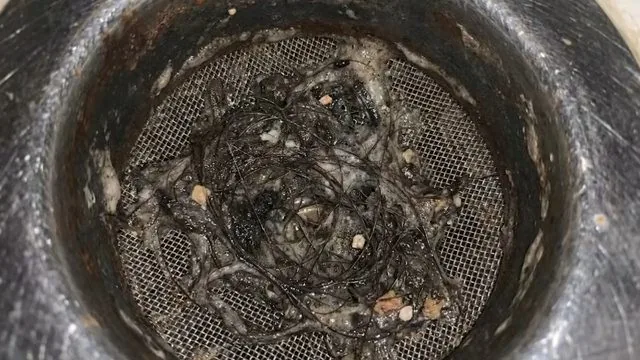
- Bathroom lavatory: hair bound with soap residue just past the trap
- Tub and shower: the same hair and soap mix, usually deeper in the branch
- Laundry standpipe: lint, plus detergent residue that sets like soap scum
- Main line: roots, a belly holding waste, or a collapsed section
We size the cable and head to the line rather than running the same machine everywhere. A cable sized for a main will damage a small trap arm, and a small cable will not touch a root mass in a lateral.
Access matters as much as the tool. Pulling a trap or using a proper cleanout gets the cable into the line straight, which is both faster and less likely to leave a mark on the fixture.
What a camera run shows that cabling cannot
Clearing a line tells you the water moves again. It does not tell you why it stopped. A camera inspection answers that, and it is the step that decides whether you are looking at maintenance or at a repair.
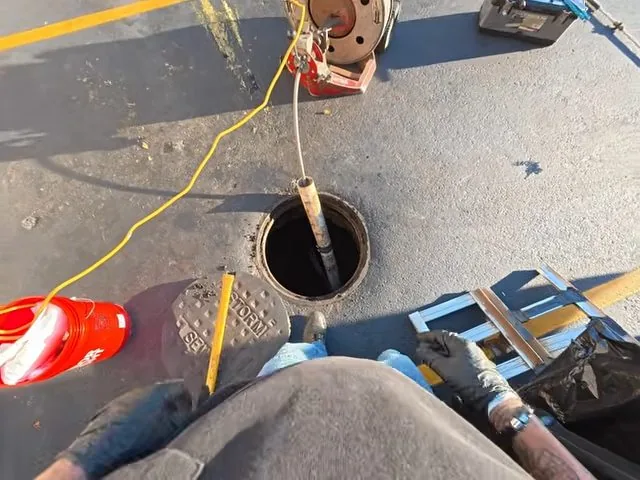
Three findings change the plan straight away. Roots at a joint mean the line will close again on a predictable cycle. A belly, where the pipe has settled and holds standing water, means waste collects at that low point every time. A fracture or offset joint means the line is failing, and at that point the conversation moves to sewer repair or a trenchless reline.
None of those are visible from the top of a drain. They are also the three reasons people end up paying for the same clearing visit several times in a year without being told what is actually happening.
When a camera is worth it, and when it is not
Worth it: the line has blocked more than once, the whole house is slow, the house is older stock and the lateral has never been looked at, or you are deciding between repair and replacement.
Not worth it: a single kitchen sink that blocked once after a holiday and cleared normally. That is an ordinary clog and a camera adds cost without changing anything.
Grease lines in Ashburn kitchens that run all day
Commercial kitchens are a different job from a house. The line is handling grease continuously rather than occasionally, so the buildup is even along the pipe wall rather than concentrated at one bend.
Cabling a grease line cuts a channel through the buildup and leaves the rest on the wall. That is why a kitchen line cabled in the morning can be slow again by the weekend. Scouring the wall is the part that lasts, which is why a grease line is usually a hydro jetting job rather than a cabling one.
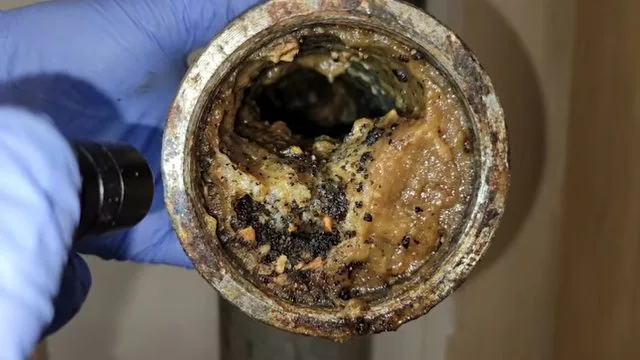
Because our coverage takes in the One Loudoun district and the Dulles Town Center corridor, kitchen lines make up a steady share of what we clear in any given week.
If you run a kitchen, the useful thing to know is your own interval. Most lines settle into a predictable rhythm, and scheduling to that rhythm costs less than reacting to a backup during service.
When a backup will not wait until morning
Most drain work is scheduled, but a main line that has backed up is not a scheduling problem. Once waste cannot leave the house, every fixture you use adds to what is already on the floor.
Treat it as urgent when
- Waste is coming up through a floor drain, a shower base or a ground-floor toilet
- More than one fixture is backing up at the same time, which points at the main
- A toilet gurgles when the washing machine drains, which means the line is full
- Water backs up when nothing is running, which means it has nowhere to go at all
In those cases stop using water in the house entirely and call. Running a tap or flushing to test it makes the next hour worse.
Emergency drain cleaning in Ashburn runs on the same dispatch line as the rest of our urgent work, so you are not waiting for an office to open. The first objective is getting the line flowing; the camera run and the decision about a permanent fix follow in daylight.
Yard drains, french drains and water that will not leave
Not every drainage call is a plumbing call, and it is worth separating the two before anyone starts work. A sanitary line carries waste from fixtures. A storm or french drain carries surface and ground water away from the house.
Ashburn sits on moderately well drained ground. The soil series named for the town carries its type location right here in Loudoun County. Water moves through it, but not quickly, which is why a yard can still hold standing water days after a heavy spell.
With roughly 34.7 inches of rain a year and May the wettest month, a yard drain or french drain that has silted up shows itself fairly reliably each spring. Clearing those lines is a separate job from the sanitary system, and we will tell you which one you actually have.
Keeping a line clear once it has been cleared
Maintenance is unglamorous and it is the least expensive part of this service. Most repeat calls we take could have been a scheduled visit instead.
What actually helps, and what does not
- Helps: pouring a kettle of hot water down a kitchen drain weekly, after the last wash rather than before it
- Helps: a basket strainer in the kitchen sink and a hair catcher in the shower, which cost almost nothing and remove most of the cause
- Helps: scraping plates into the trash rather than relying on the disposal
- Does not help: pouring grease down the drain followed by hot water, which only moves the problem further along the pipe
- Does not help: repeated chemical drain openers, which can sit against a pipe wall and do not clear a root mass or a belly at all
If a line needs clearing more than once a year, the answer is a camera run rather than a standing clearing schedule.
| Symptom | Most likely cause | What we do first |
|---|---|---|
| One slow fixture | Branch line blockage near the trap | Clear the branch through the trap or cleanout |
| Several fixtures slow on one level | Shared branch or stack | Clear the stack, then camera if it recurs |
| Whole house slow, toilet gurgling | Main line or lateral | Clear the main, then camera the lateral |
| Backs up again within weeks | Roots, belly or pipe damage | Camera first, then decide on repair |
What drain cleaning costs in Ashburn
Mechanical snaking of a residential line runs roughly $175 to $450. The range is that wide for two reasons, and both are knowable before we start.
The first is access. A line with an accessible cleanout is quicker than one that needs a trap pulled or a roof vent used. The second is location: a secondary sink branch is a smaller job than the main branch line.
Where a line needs scouring rather than cabling, that is a different service with its own range. We give you the range that applies before any work begins, and you hear about it again if what we find changes the job.
Full ranges for every service we quote are on the cost page.
Drain questions Ashburn homeowners ask
Why does my kitchen sink keep backing up after I clear it?
Because clearing and cleaning are not the same thing. A cable cuts a channel through the blockage and restores flow, but it leaves most of the buildup on the pipe wall. The channel closes again at roughly the rate it formed in the first place.
In a kitchen the buildup is usually grease that cooled on the wall, often bound with coffee grounds or starch. Scouring the wall rather than cabling through it is what changes the interval. If it has blocked more than twice, a camera run is worth doing before you pay for a third clearing.
When is a camera inspection worth it instead of just snaking again?
It is worth it when the line has blocked more than once, when the whole house is slow rather than one fixture, when the lateral has never been looked at, or when you are weighing a repair against a replacement.
The camera is looking for three things a cable cannot tell you about: roots at a joint, a belly where the pipe has settled and holds standing water, and a fracture or offset. Any of those means the line will keep closing on a schedule no amount of cabling will change.
It is not worth it for a single sink that blocked once and cleared normally. That is an ordinary clog.
Does a slow yard drain after heavy rain mean a plumbing problem?
Usually not a sanitary plumbing problem, no. A yard drain or french drain is a separate system carrying surface and ground water, and it silts up over time independently of anything happening indoors.
The ground here drains moderately well rather than freely, so surface water takes its time clearing. With around 34.7 inches of rain a year and May the wettest month, a silted yard drain tends to announce itself every spring.
We will tell you which system you are actually dealing with before quoting anything, because they are different jobs.
What drives the price range on a drain cleaning visit?
Mechanical snaking of a residential line runs roughly $175 to $450, and two things move it inside that range.
The first is access. A line with a proper cleanout is quicker than one that needs a trap pulled or a roof vent used. The second is which line it is: a secondary sink branch is a smaller job than the main branch line.
You get the applicable range before work starts, and you hear about it again if what we find changes the job.
Does a drain cleaning company need a Virginia contractor license for this work?
Yes. Drain work sits under the same requirement as any larger plumbing job, even though people often assume a drain call is informal. Both state trade licensure and a county business license apply.
You can check any contractor yourself through the Virginia Department of Professional and Occupational Regulation, which runs a public license lookup. Asking is reasonable and any legitimate company expects the question.
Drain backing up in Ashburn?
Tell us which fixtures are affected and how long it has been going on. That one detail usually tells us whether this is a branch line or the main, before anyone is dispatched.