
Gas Line Repair & Leak Detection · Ashburn, VA
Gas Line Repair and Leak Detection in Ashburn, VA
If you can smell gas right now, stop reading. Leave the building, take everyone with you, and call from outside. Do not switch anything on or off on your way out, including lights.
Everything else on this page can wait until you are standing outside.
If you smell gas right now
Natural gas is odourless, so the smell you notice is an additive put there specifically to be noticed. Treat it as real every time.
In this order
- Get everyone out of the building, including pets
- Do not operate any electrical switch, including light switches, and do not unplug anything, since a switch contact can spark
- Do not use a phone inside the building
- If you can do it on your way out without delay, turn off the gas at the meter
- From outside and well clear, call your gas utility's emergency line first, then us
- Do not go back in until someone qualified says it is safe
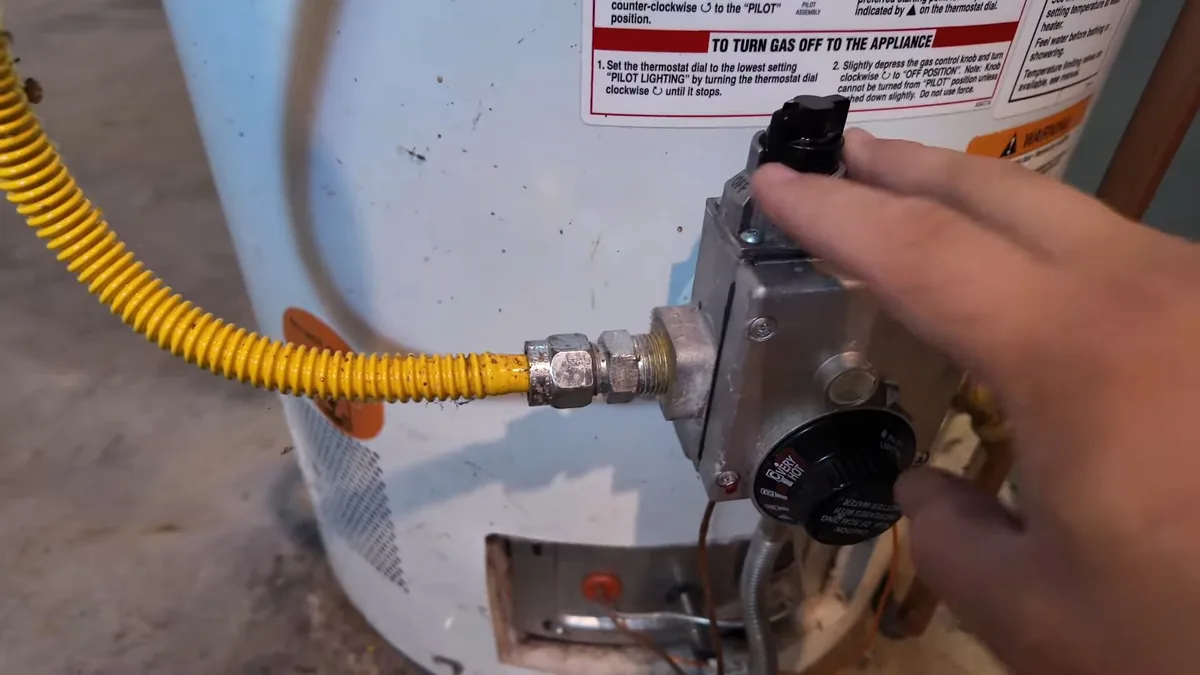
Do not try to find the source yourself. The reason the utility goes first is that they can isolate supply to the property in a way we cannot.
How a gas leak is located
Once the property is safe, locating a gas leak is a different procedure from finding a water leak, and it uses different equipment.
A combustible gas detector sweeps along the run, picking up concentrations well below what you can smell. That narrows it to a section.
A pressure test then confirms it. The line is isolated, brought to test pressure, and watched. A line that holds pressure is sound; one that drops has a leak in that section, and the drop rate indicates roughly how large.
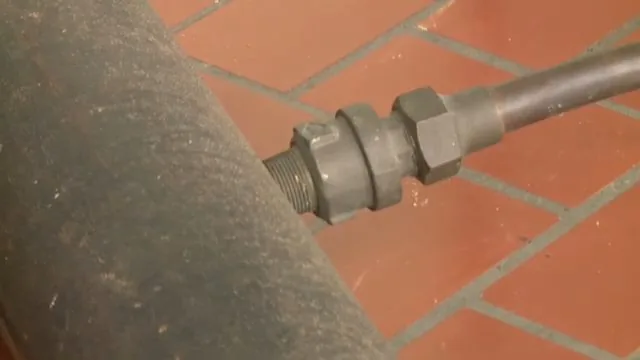
Solution testing on fittings is the final step, finding the exact joint rather than the section. It is the oldest method on the list and still the most precise for a threaded connection.
This is why gas work does not sit on our water leak detection page. The acoustic and thermal methods used for water do not apply, and the safety sequence is different.
Running a new line for a grill, range or generator
Planned gas work is the other half of this service and it is a scheduled job rather than an urgent one.
The usual projects
- A line to an outdoor grill or fire feature, removing the propane bottle
- Converting a kitchen from electric to gas cooking, which needs a line to the range position
- A standby generator, which is the largest domestic gas load most houses ever add
- A gas fireplace or log set
- A tankless water heater conversion, which usually needs the existing line upsized rather than extended
The question that decides each of these is not whether a line can reach the position. It is whether the existing supply can carry the additional load once that appliance is running alongside everything else.
That calculation is the real work. Adding a generator or a tankless unit frequently means upsizing the run back toward the meter, which is why those two projects cost more than people expect.
Pressure testing, and what it actually proves
Every piece of gas work finishes with a pressure test, and it is worth understanding what the test does and does not tell you.
It proves the section tested holds pressure over a defined period. That is a strong result and it is what the inspector wants to see.
What it does not cover is anything outside the isolated section, or an appliance connection made after the test. Which is why the test is done at the right point in the sequence rather than at the convenient one.
The gas permit, and what changed in October 2025
Gas work in Loudoun County needs its own permit, separate from a plumbing permit, issued by Building and Development at 1 Harrison Street SE in Leesburg.
There is a recent change worth knowing: as of 1 October 2025, some residential fuel gas permits require plan review, with plans submitted alongside the application. That adds time at the front of a project.
Practically, it means a planned gas job needs scheduling with that lead time in mind rather than being treated as a same-week item. For a tankless conversion or a generator, both a plumbing and a gas permit are typically involved.
Confirm what applies to your specific job with Building and Development on 703-777-0220. Requirements change and no contractor should be your only source on this.
What gas work costs here
Gas line repair or a new extension runs roughly $350 to $1,400. Three things decide where a job lands.
What moves the figure
- Length of the run, and what it passes through: an open basement ceiling is straightforward, a finished one is not
- Pressure testing requirements, which scale with the scope of what has been altered
- The appliance connection type at the end of the run
Where an existing line needs upsizing back toward the meter rather than simply extending, that is a larger job and is quoted separately.
Permit fees are separate and are passed through at cost. Emergency leak response is priced as emergency work, which is covered on our after-hours rates page.
Gas line questions
I smell gas near an appliance. What should I do right now?
Leave the building, take everyone with you including pets, and call from outside and well clear. Do not operate any electrical switch on the way out, including light switches, and do not unplug anything, because a switch contact can spark.
Do not use a phone inside the building. If you can turn off the gas at the meter on your way out without delaying your exit, do that. Otherwise just get out.
From outside, call your gas utility's emergency line first, then us. They go first because they can isolate supply to the property in a way we cannot. Do not go back in until someone qualified says it is safe.
How is a gas leak located differently from a water leak?
Different equipment and a different sequence. The acoustic and thermal methods used to find water leaks do not apply here at all.
A combustible gas detector sweeps the run and picks up concentrations well below what you can smell, which narrows it to a section. A pressure test then confirms it: the line is isolated, brought to test pressure and watched, and the rate of any drop indicates roughly how large the leak is.
Solution testing on individual fittings is the final step, finding the exact joint rather than the section. It is the oldest method of the three and still the most precise on a threaded connection.
Do I need a new gas line for a grill, range or generator?
Usually yes for a grill or a generator, and often yes for converting a kitchen from electric to gas cooking.
The question that actually decides it is not whether a line can physically reach the position. It is whether the existing supply can carry the extra load with that appliance running alongside everything else in the house.
A standby generator is the largest domestic gas load most houses ever add, and a tankless water heater is not far behind. Both frequently mean upsizing the run back toward the meter rather than simply extending from the nearest point, which is why they cost more than people expect.
What drives the cost of a new gas line run?
Gas line repair or a new extension runs roughly $350 to $1,400, with three main variables.
Length of the run and what it passes through is the first: an open basement ceiling is straightforward, a finished one is not. Pressure testing requirements are the second, scaling with how much has been altered. The appliance connection type at the end is the third.
Where an existing line needs upsizing back toward the meter rather than extending, that is a larger job and is quoted separately. Permit fees are passed through at cost.
Does gas work need a separate permit in Loudoun County?
Yes. Loudoun County issues a gas permit separately from a plumbing permit, through Building and Development at 1 Harrison Street SE in Leesburg.
There is a recent change worth planning around: as of 1 October 2025, some residential fuel gas permits require plan review, with plans submitted alongside the application. That adds time at the start of a project, so a planned gas job is not a same-week item.
For work like a tankless conversion or a generator, both a plumbing and a gas permit are typically involved. Confirm what applies to your job on 703-777-0220, since requirements change and no contractor should be your only source on this.
Smell gas, or planning a new gas appliance?
For a suspected leak, call from outside the building. For planned work, tell us the appliance and where it needs to go and we can scope it from there.