
Trenchless Pipe Lining & Relining · Ashburn, VA
Sewer Line Trouble Without the Trench: Trenchless Repair in Ashburn, VA
Most people asking about trenchless are not asking about pipe. They are asking whether the driveway, the mature trees and the landscaping have to come up to fix a line running underneath them.
Often they do not. There are conditions, and they are worth understanding before anyone quotes it.
Laterals under driveways: why homeowners choose trenchless
A sewer lateral tends to run the shortest path from the house to the street, which in a planned Ashburn subdivision frequently means under the driveway, under a walkway, or under whatever was planted above it twenty years ago.
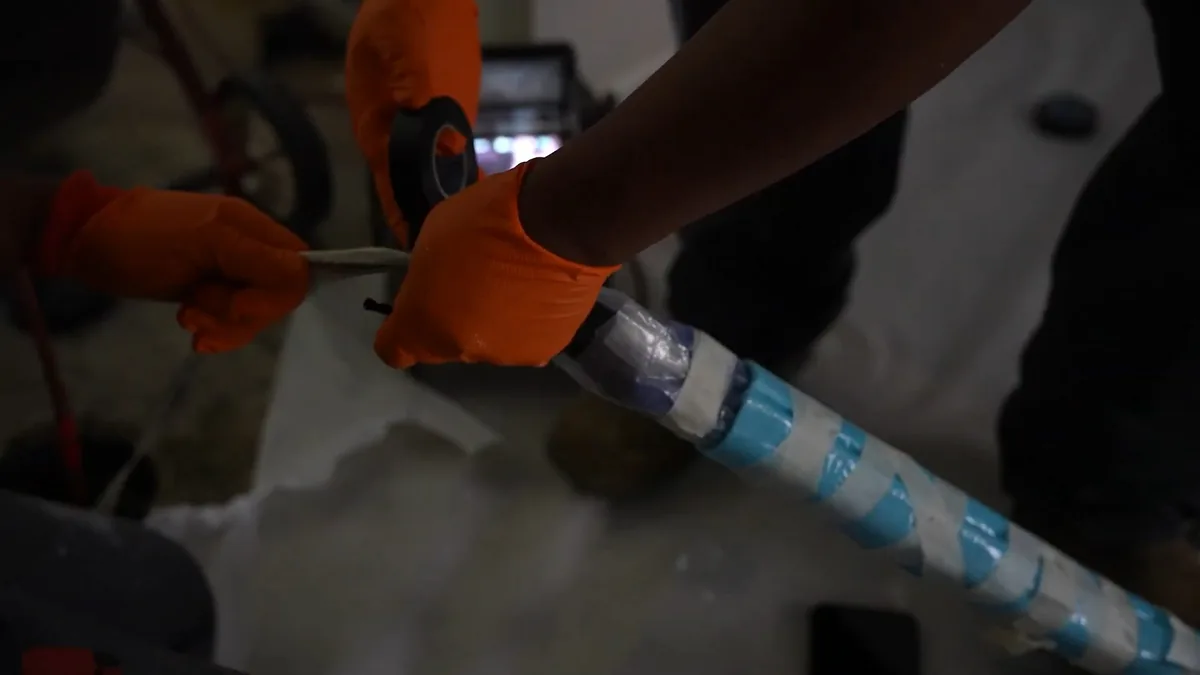
Open excavation on that line means the surface above it comes up and goes back. The reinstatement is often the larger half of the bill, and on a paved or landscaped run it can be most of it.
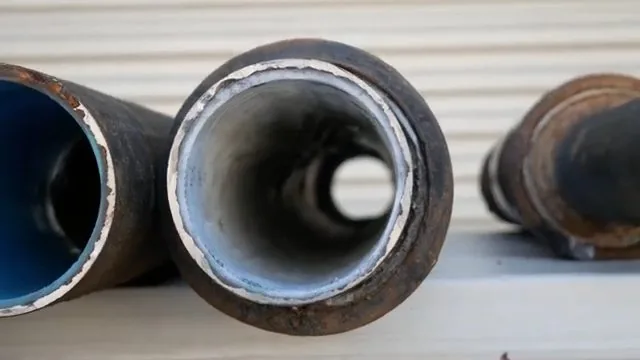
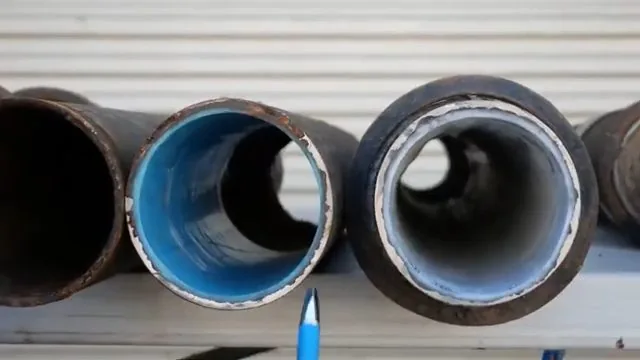
Lining avoids that by rebuilding the pipe from the inside, through access points that already exist. The pipe you end up with is a new pipe formed inside the old one.
How a liner is actually installed
Cured-in-place pipe, usually shortened to CIPP, is a resin-saturated liner pulled or inverted into the existing pipe and then cured in place until it hardens into a continuous new wall.
The sequence on a normal job
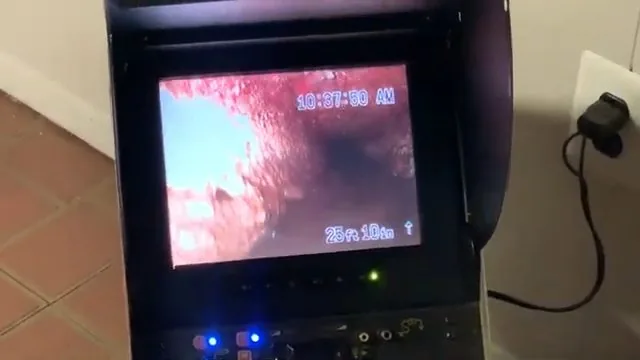
- Camera the line and measure it, so the liner is cut to the right length
- Clean the full run, usually by jetting, because resin will not bond to scale, grease or root matter
- Camera it again to confirm the wall is clean and the run is lineable
- Install and cure the liner
- Reinstate any branch connections the liner covered
- Final camera pass, which is also the record that the work was done
The cleaning step is the one people are surprised to pay for. It is not preparation that could be skipped; a liner installed over debris fails at that debris.
The cured liner is a close fit inside the host pipe, so the finished bore is slightly smaller than the original. On a standard residential lateral that loss is not enough to matter, because a smooth new wall carries flow better than a rough larger one.
What has to be true about the host pipe
Lining rebuilds a pipe's wall. It does not change where the pipe goes or what angle it sits at, and that single fact decides most of the yes or no.
| Condition of the line | Lineable? | Why |
|---|---|---|
| Cracked, corroded or root-infiltrated but holding its shape | Yes, this is the normal case | The host pipe only has to serve as a form for the new wall |
| Correct fall, no standing water | Yes | A liner follows the existing grade exactly, including its faults |
| Bellied, holding water in a low section | No | The liner would reproduce the belly; only re-laying restores fall |
| Collapsed, or badly offset at a joint | No, not without a dig at that point | There is no continuous form left for the liner to take |
| Severely out of round or crushed | No | The liner cannot seat evenly against the wall |
Trenchless against open excavation, side by side
Neither method is better in the abstract. They fail and succeed under different conditions, and the honest comparison is about which conditions you have.
| Pipe lining | Open excavation | |
|---|---|---|
| Surface disturbance | Access points only | The full run comes up and goes back |
| Time on site | Usually one day | Two to several days |
| Fixes lost fall | No | Yes, this is the main reason to dig |
| Works on a collapsed section | No | Yes |
| Cost driver | Linear footage and pipe diameter | Depth, ground conditions and reinstating the surface |
| Best case for it | Long run under a driveway or mature planting | Short run under lawn, or a line that has lost grade |
That last row is the practical summary. A long run under something expensive favours lining; a short run under grass often does not, because the dig costs little and it fixes more.
When excavation beats trenchless lining for a sewer line
A trenchless page that claims the method always wins is selling, not advising. These are the cases where we say excavate.
Situations that rule lining out
- The line has lost its fall and holds water, which lining preserves rather than corrects
- A section has collapsed, leaving nothing to line against
- A joint is offset far enough that the liner cannot pass or seat
- The run needs rerouting rather than restoring, because its path is the problem
- Access at both ends is not available and creating it costs more than the dig would
Where any of these is true, the work belongs on conventional sewer repair instead, and the camera pass that establishes it is the same one either way.
Laterals in 1990s Ashburn construction
Lining suits this housing stock reasonably well, and the reason is the era rather than anything about the neighborhood.
Ashburn Village opened for development in 1987 and Ashburn Farm is the same period, with the bulk of the surrounding area filling in through the 2000s. Laterals of that vintage are generally plastic rather than clay or cast iron, so the usual failure is a joint that has opened or roots that have found one, in a pipe still holding its shape.
A pipe holding its shape is the condition lining needs. Older clay runs fail by fracturing into pieces and more often need the trench, which is why lining is a more common answer here than it would be in a pre-war neighborhood elsewhere.
None of which can be assumed about a particular address. It is the reason the camera pass comes before the quote rather than after it.
What lining costs here
Cured-in-place lining on an Ashburn lateral runs roughly $3,500 to $8,500. The range is wide because three things move it independently.
What sets where you land in that range
- Linear footage of pipe lined, which is the largest single factor
- Pipe diameter, since a larger line takes more liner and more resin
- Condition of the host pipe, which decides how much cleaning the run needs before anything can bond to it
Compared like for like against excavation on the same run, lining is usually the lower number once surface reinstatement is counted, and the higher number where the dig would be shallow and under lawn.
You get a figure for your own line after it has been cameraed and measured, not before. Our full table of ranges sits on the cost page.
Questions before committing to a liner
Can you fix the line without digging up my driveway and landscaping?
Often, yes. That is the whole reason the method exists. A liner is installed through access points that already exist, so the surface above the pipe stays where it is.
The condition is that the existing pipe still holds its shape and still has correct fall. A liner rebuilds the pipe wall from the inside; it does not move the pipe or change the angle it sits at.
So the answer for your line comes from the camera pass rather than from the preference, and we will tell you plainly if yours is one that needs the trench.
When is trenchless pipe lining recommended over traditional sewer excavation?
When the run is long, what sits above it is expensive to reinstate, and the pipe itself is cracked or root-infiltrated rather than deformed. A lateral running under a driveway or mature planting is the clearest case.
Excavation is the better call when the run is short and under lawn, where digging is little and fixes more, or when the line needs its grade corrected rather than its wall restored.
Cost follows the same logic. Lining is usually the lower number once you count putting the surface back, and the higher number when the dig would have been shallow and in an open yard.
Which situations rule trenchless out?
A line that has lost its fall and holds standing water. A liner follows the existing grade exactly, so it preserves the belly rather than correcting it, and the same section keeps collecting solids afterwards.
A collapsed section, because there is no continuous form left for the liner to take its shape against. A badly offset joint, where the liner cannot pass or cannot seat evenly. A run that needs rerouting because its path is the problem.
Access matters too. Lining needs usable access at both ends, and where creating it would cost more than the excavation, the excavation is the right answer.
Is trenchless an option on a 1990s Ashburn lateral?
Usually it is a reasonable candidate, and the reason is the era rather than the address. Ashburn Village opened for development in 1987, Ashburn Farm is the same period, and most of the surrounding area filled in through the 2000s.
Laterals from that period are generally plastic rather than clay or cast iron. They tend to fail at an opened joint or through root entry while the pipe still holds its shape, which is the condition lining needs.
Older clay runs tend to fracture into pieces instead, and those more often need the trench. None of which can be assumed about one particular house, which is why the camera comes before the quote.
How does lining cost compare with open excavation on the same line?
Lining an Ashburn lateral runs roughly $3,500 to $8,500. Three things move it: linear footage, which matters most, pipe diameter, and how much cleaning the host pipe needs before resin will bond to it.
Against excavation on the same run, the comparison turns on what is on top. Where the line runs under a driveway, pavers or established planting, lining is normally the lower total because excavation has to put all of that back.
Where the run is short and under grass, the dig often costs less and it also corrects problems a liner cannot. Our full table of ranges is on the cost page.
What certification should a crew have to line a sewer pipe?
Ask two separate questions. First the general one: a Virginia state trade license and a Loudoun County business license, with the state side checkable on the DPOR public register.
Then the specific one, which is about the product. CIPP liners are installed to the resin manufacturer's own procedure, and installers are trained and certified against that system. Ask which system is being used and ask to see the training for it.
Also ask for the closing camera pass as a file you keep. It is the only record that the liner cured correctly along the whole run, and a crew confident in the work hands it over without being chased.
Want to know whether your line can be lined?
It comes down to what the camera finds. Call and we will tell you whether lining is on the table for your line or whether the honest answer is excavation.